Welcome

House keeping

  • Fire exits
  • Toilets
  • Lunch & Coffee

Today is practical and hands-on

We will explore:

  • Why reproducibility matters in ecology

  • How open workflows improve collaboration

  • GitHub + R + Quarto workflows

  • Sharing code, data, and outputs

  • Real examples from wildlife research

Goal

Build workflows that are:

  • Transparent

  • Reusable

  • Easier to maintain

  • Easier to collaborate on

Introduction 1

Open science is just science done the way science should be done….

OR

In the future there will be science and closed science

(i.e. - what we call open science today will in the future just be “science”….)

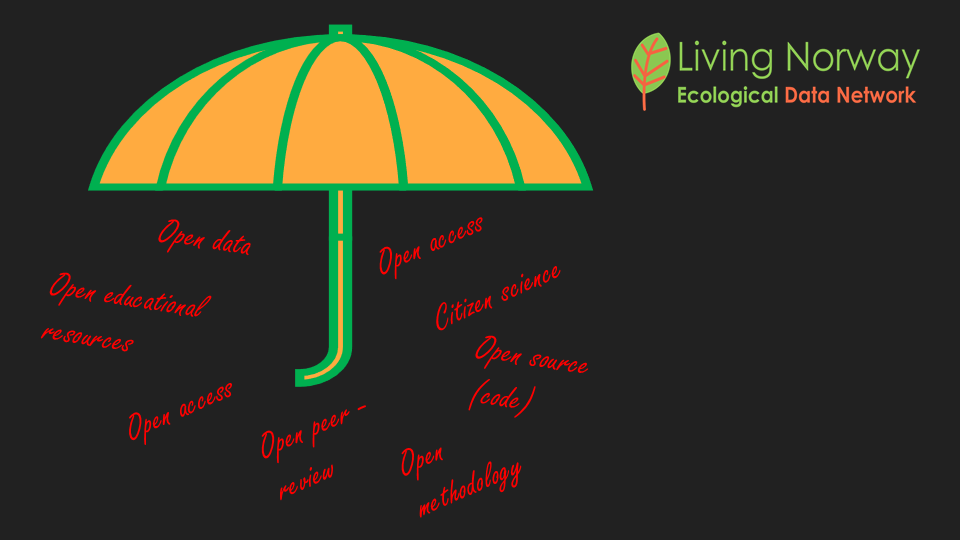
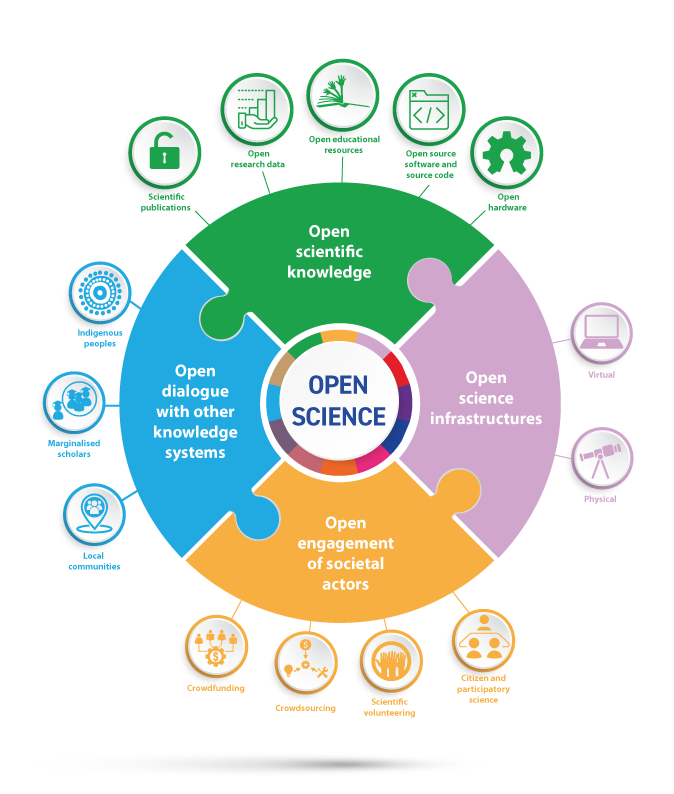
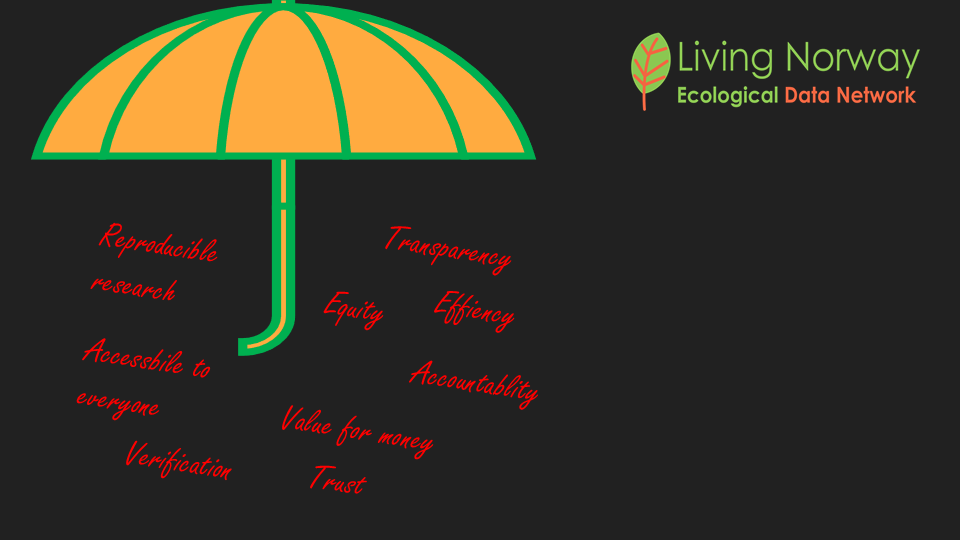
Open Science is an umbrella term

But why bother?
The six principles of open science

  • Open methodology

  • Open source

  • Open data

  • Open access

  • Open peer review

  • Open educational resources

Different schools of open science

  • The infrastructure school (better infrastructure ->better science)

  • The public school (Science engage with society)

  • The measurement school (Alt. measures of impact )

  • The democratic school (knowledge free to all)

  • The pragmatic school (Openness improves efficiency and quality)

See Fecher and Friesike (2014)

Topics for discussion

  • What do YOU associate with Open Science?

  • How do you think Open Science can improve your project?

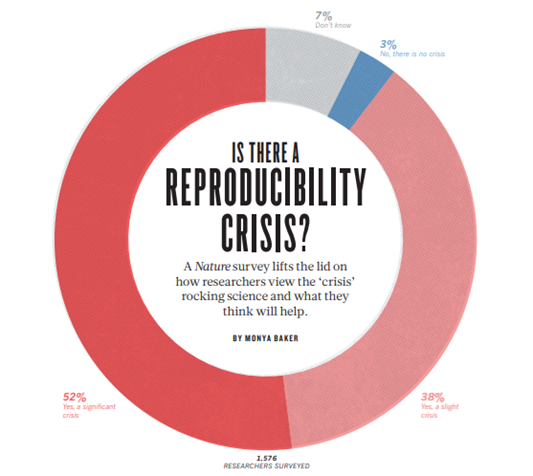
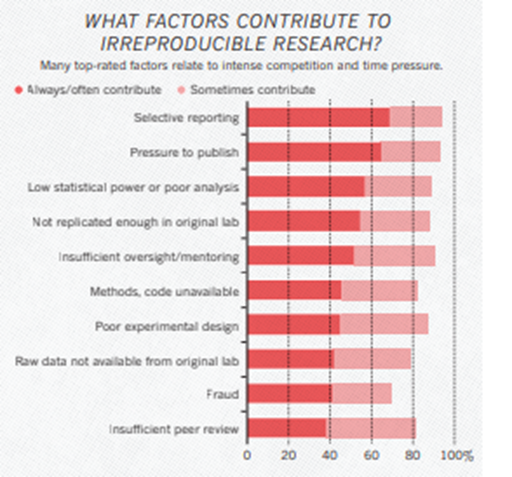
The reproduciblity crisis

1,500 scientists lift the lid on reproducibility | Nature

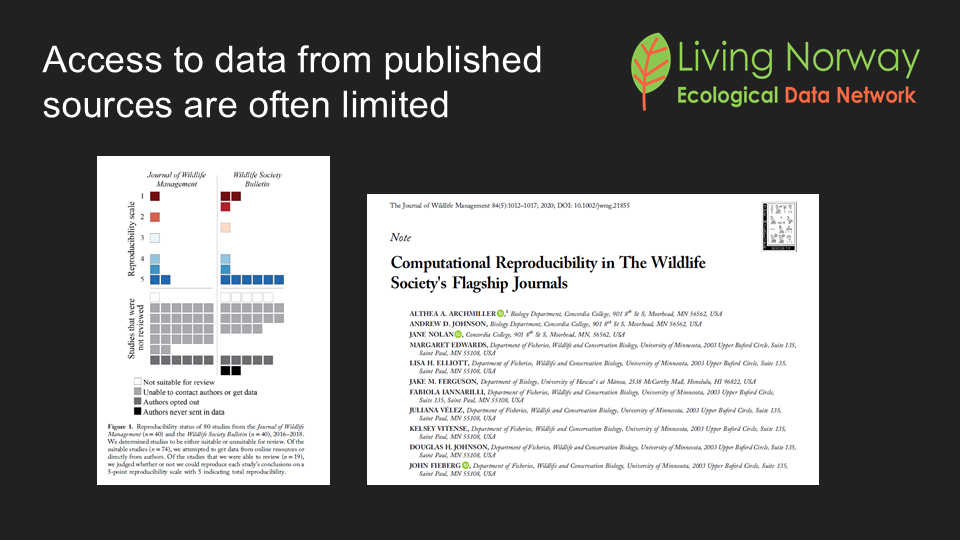
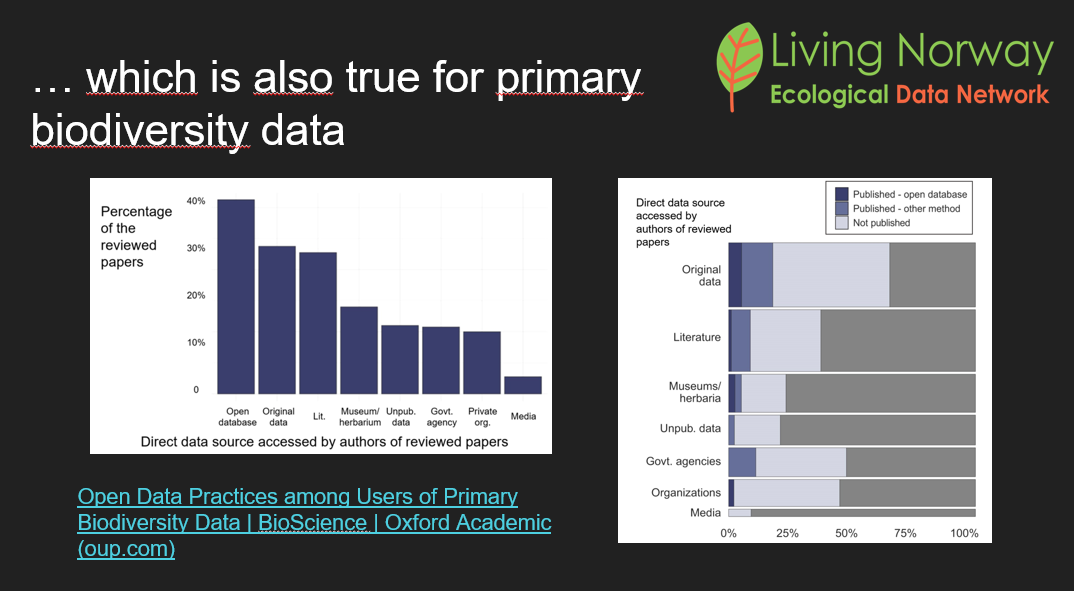
Access to data

  • When we publish scientific papers it is expected that data is shared (archived) publicly (so that other researchers can reuse the data)

  • However, currently we often find that this is not happening

    • See e.g. Archmiller et al. (2020)

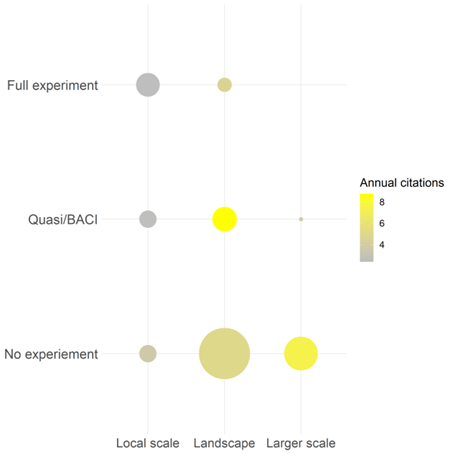
See Mandeville et al. (2021) for details

Access to code
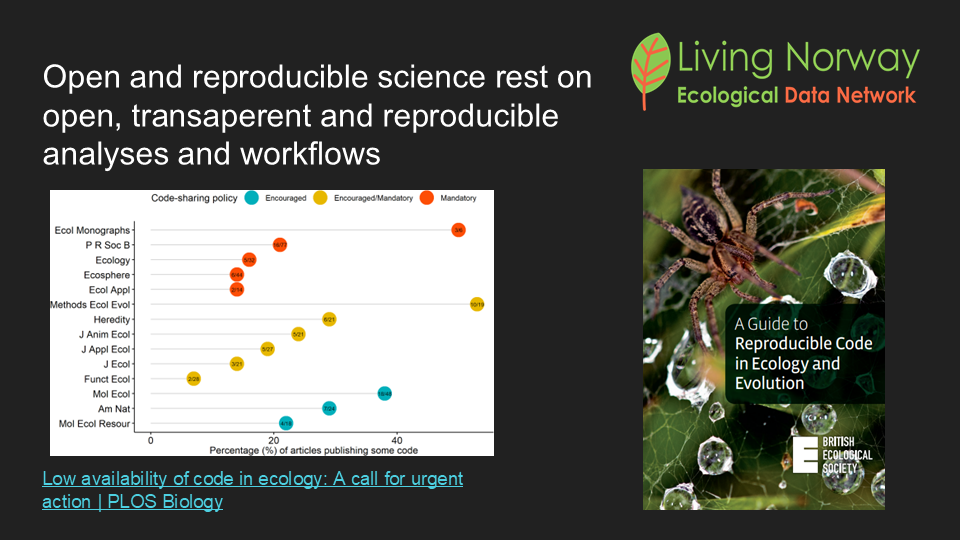
  • When we publish scientific papers - we are expected to share (archive) R-code (or other code we are using to produce the reported results).

  • Again - there is room for improvement!

    • See e.g. Culina et al. (2020)

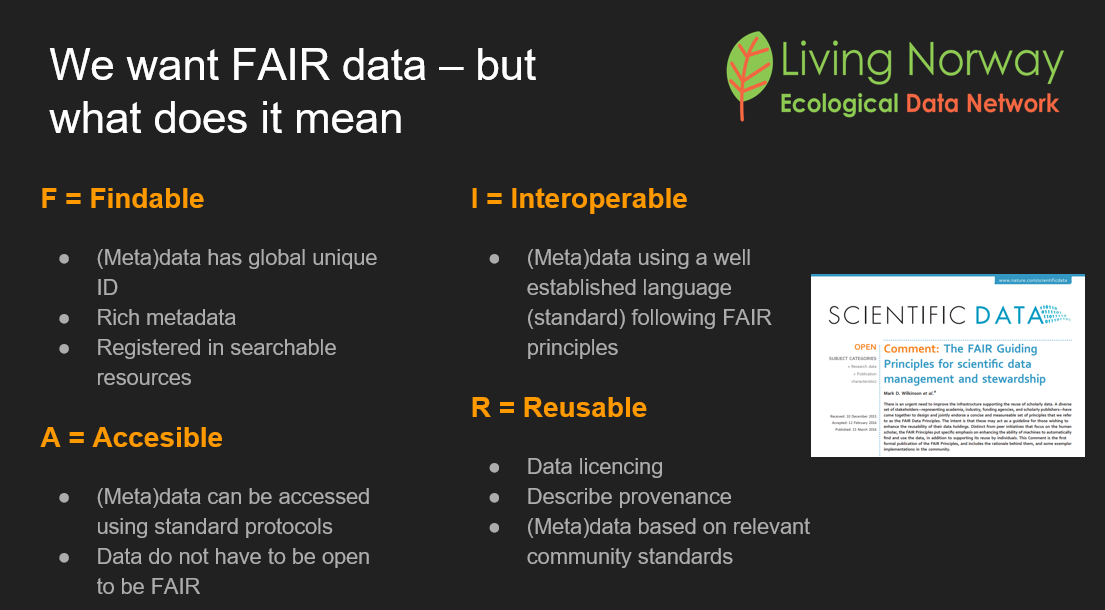
FAIR!

See Wilkinson et al. (2016)

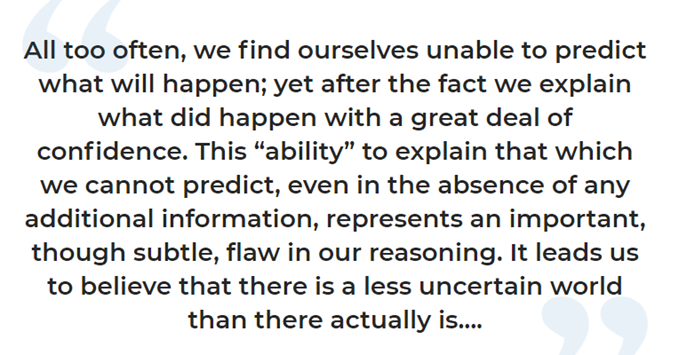
Questionable Research Practices
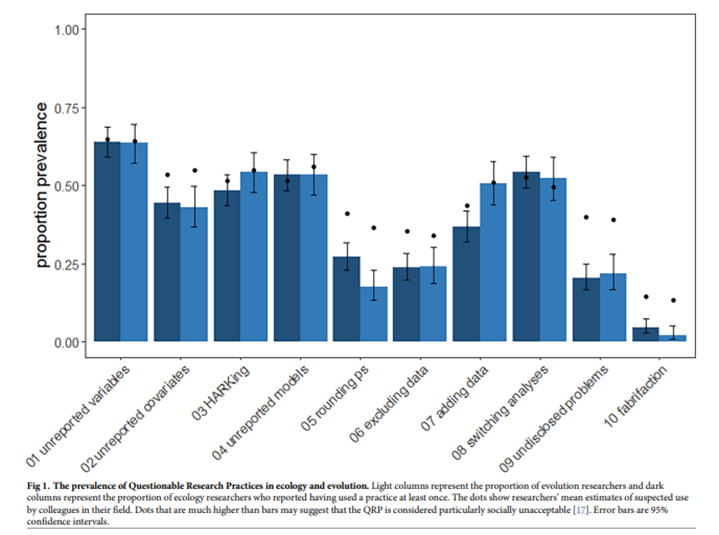
See Fraser et al. (2018) for details and further discussion!

The preregistration revolution!
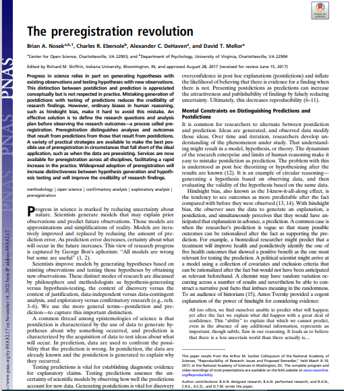
See Nosek et al. (2018)

Distinguish between exploratory and confirmatory science
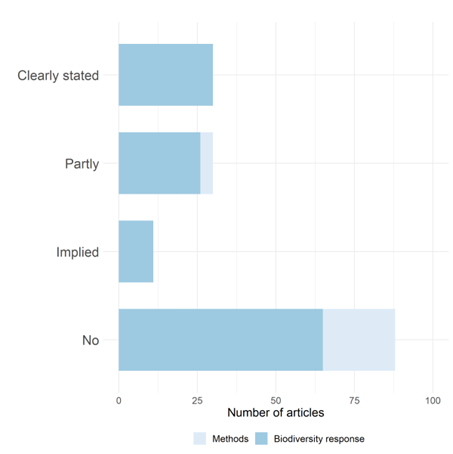
See Nilsen et al. (2020)

Open science is just as much about….
References

Archmiller, Althea A., Andrew D. Johnson, Jane Nolan, et al. 2020. “Computational Reproducibility in the Wildlife Society’s Flagship Journals.” The Journal of Wildlife Management 84 (5): 1012–17. https://doi.org/10.1002/jwmg.21855.
Culina, Antica, Ilona van den Berg, Simon Evans, and Alfredo Sánchez-Tójar. 2020. “Low Availability of Code in Ecology: A Call for Urgent Action.” PLOS Biology 18 (7): 1–9. https://doi.org/10.1371/journal.pbio.3000763.
Fecher, Benedikt, and Sascha Friesike. 2014. “Open Science: One Term, Five Schools of Thought.” In Opening Science: The Evolving Guide on How the Internet Is Changing Research, Collaboration and Scholarly Publishing, edited by Sönke Bartling and Sascha Friesike. Springer. https://doi.org/10.1007/978-3-319-00026-8_2.
Fraser, Hannah, Tim Parker, Shinichi Nakagawa, Ashley Barnett, and Fiona Fidler. 2018. “Questionable Research Practices in Ecology and Evolution.” PLOS ONE 13 (7): 1–16. https://doi.org/10.1371/journal.pone.0200303.
Mandeville, Caitlin P., Wouter Koch, Erlend B. Nilsen, and Anders G. Finstad. 2021. “Open Data Practices Among Users of Primary Biodiversity Data.” BioScience 71 (11): 1128–47. https://doi.org/10.1093/biosci/biab072.
Nilsen, Erlend B., Diana E. Bowler, and John D. C. Linnell. 2020. “Exploratory and Confirmatory Research in the Open Science Era.” Journal of Applied Ecology 57 (4): 842–47. https://doi.org/10.1111/1365-2664.13571.
Nosek, Brian A., Charles R. Ebersole, Alexander C. DeHaven, and David T. Mellor. 2018. “The Preregistration Revolution.” Proceedings of the National Academy of Sciences 115 (11): 2600–2606. https://doi.org/10.1073/pnas.1708274114.
Wilkinson, Mark D., Michel Dumontier, I. J. J. Aalbersberg, et al. 2016. “The FAIR Guiding Principles for Scientific Data Management and Stewardship.” Scientific Data 3: 160018. https://doi.org/10.1038/sdata.2016.18.